Will Inexperienced is a fourth-generation antiques seller and designer primarily based in Towcester, Northamptonshire, the place his household has run retailers since 1955. He grew up in a home the place furnishings was at all times coming and going—nothing static, every little thing dealt with, assessed, and despatched again out into the world. That early coaching now informs each the antiques he sources and the bespoke items he designs below his personal title.
A number of years in the past, he and his spouse, Hayley, artistic director of The Plant Faculty, took on a manor home whose origins stretch again into the late 18th and Nineteenth centuries. Sized just below 5,700 sq. ft, the home is beneficiant however not unwieldy; the restoration is gradual and incremental, working room by room.
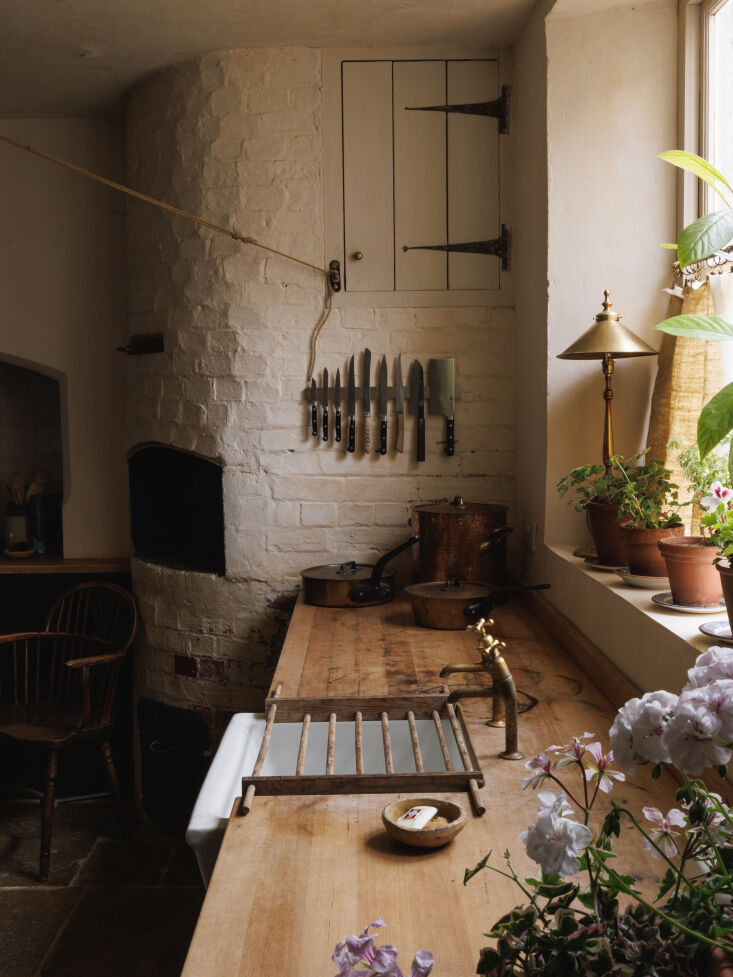
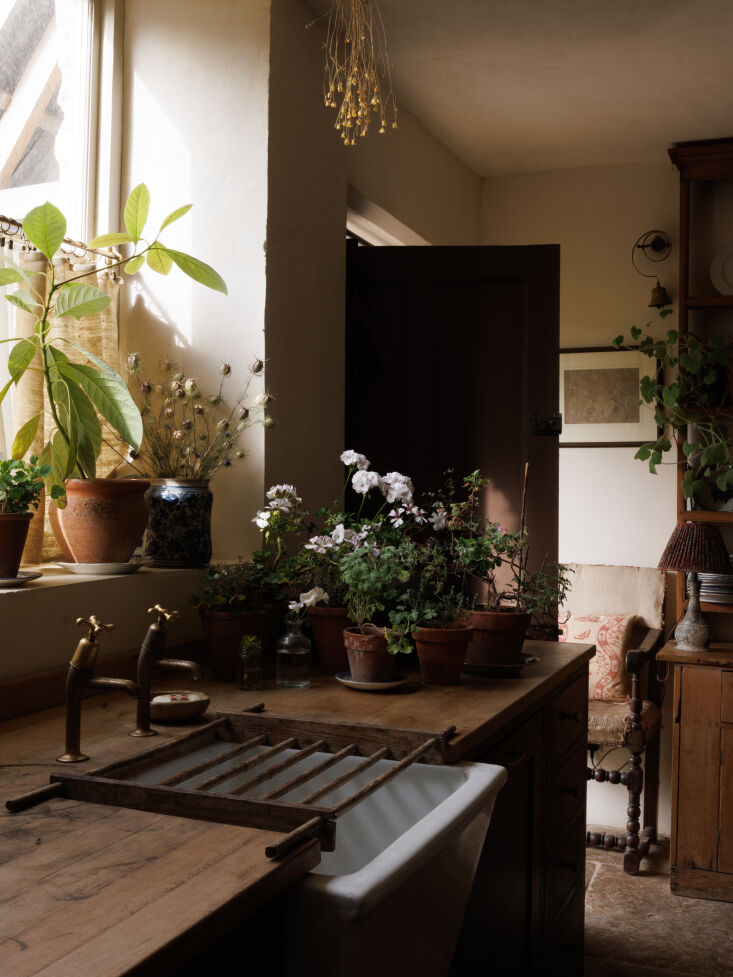
The kitchen, previously the scullery, was the primary main endeavor. “The earlier house owners used it as a storeroom, nearly like a shed. However all the correct bones have been there for us to remodel it right into a kitchen: the flagstone ground, the unique format, and the step-down pantry/dairy.” Authentic flagstones have been lifted and re-laid after putting in underfloor heating—some weighing as a lot as 200kg.
For the partitions, they used a mixture of clay pigment dug from beneath the flagstones: the moist clay was sieved a number of occasions to take away impurities, unfold the clay on a baking tray within the warming oven of the AGA, and as soon as dry, floor to a wonderful powder with a mortar and pestle. They steadily added this to the lime wash till they achieved the specified tone. Right now, the room is shared with their two black labs and child. “The good thing about having a gradual undertaking is that it feels as if the home is rising with us,” Will says. “The dynamic of the home is altering with each room we work on. It’s a pleasant course of.”
Pictures by Geordie Barrie for Will Inexperienced.
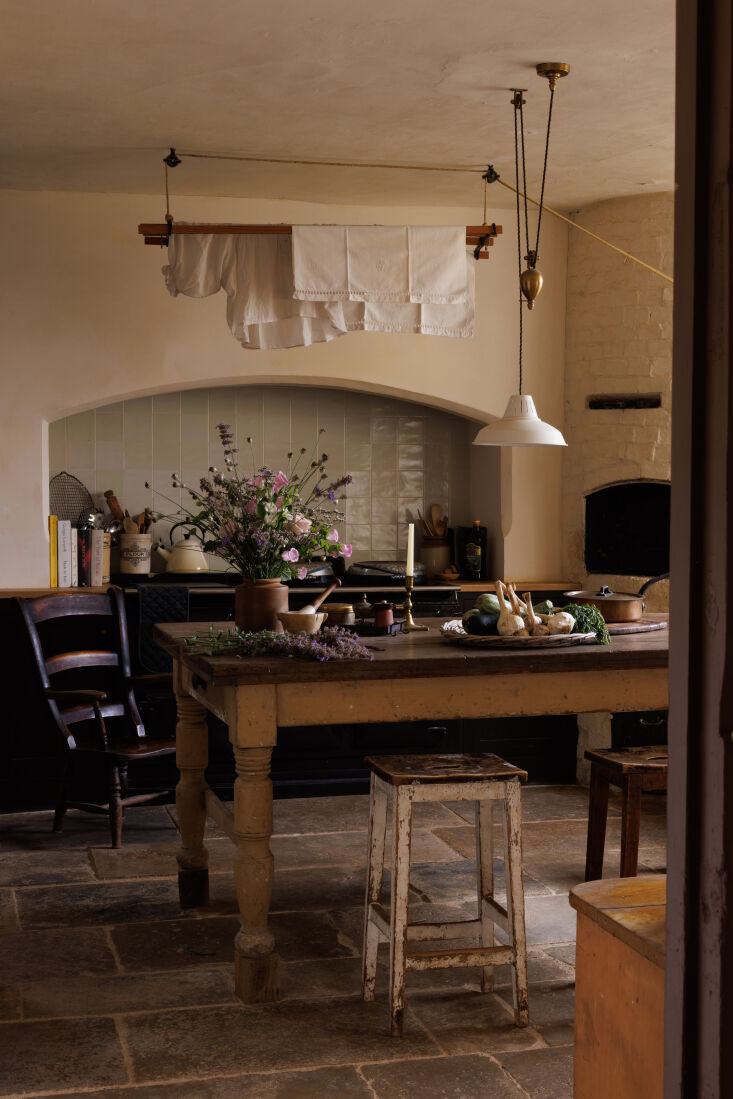
“Once we first encountered the home, it was a kind of uncommon properties that has worn its years effectively,” Will explains. “It had been altered within the mid-Nineteenth century. The highest ground was considerably prolonged to supply employees lodging, and a scullery and recreation larder have been added to the north facet. These additions are a part of its story, and we have been eager to respect them fairly than erase them.”
The next hundred years noticed “a succession of farming households who sorted it with a sensible, fairly than delicate hand,” says Will. “They didn’t embark on a lot renovation, and in some ways in which was a blessing: the unique bones of the home, the moldings, the floor-to-ceiling heights, the fireplaces and the rhythm of the rooms, have been nearly fully untouched.”
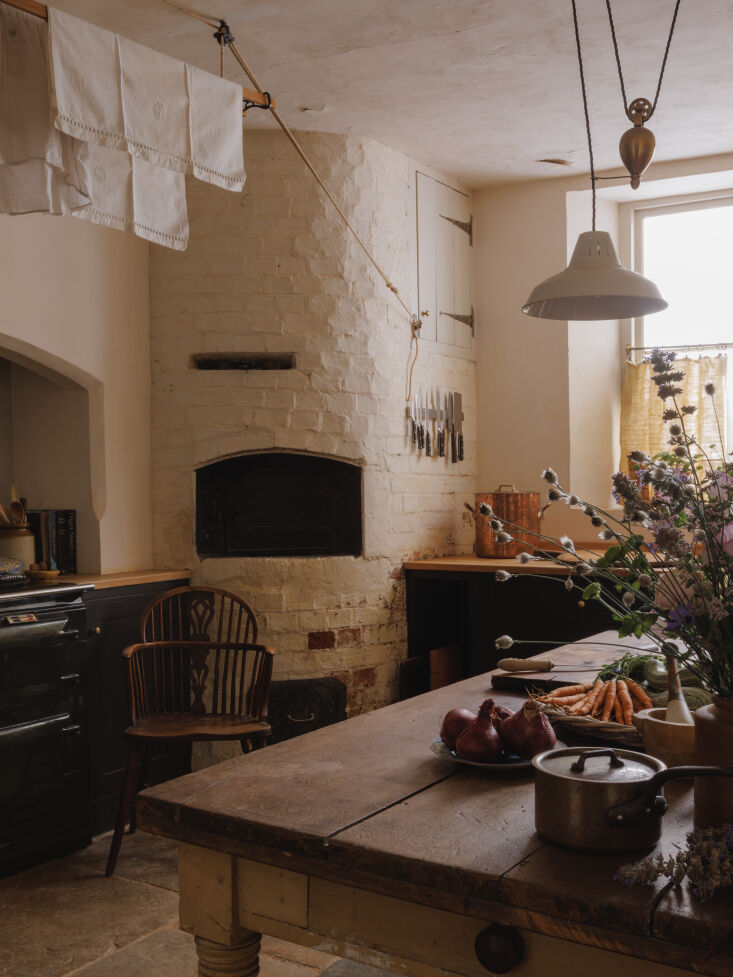
“What struck us most was how little had been misplaced. There have been no misguided Twentieth-century ‘modernizing’ schemes that stripped away character. The home had merely aged with dignity,” says Will.