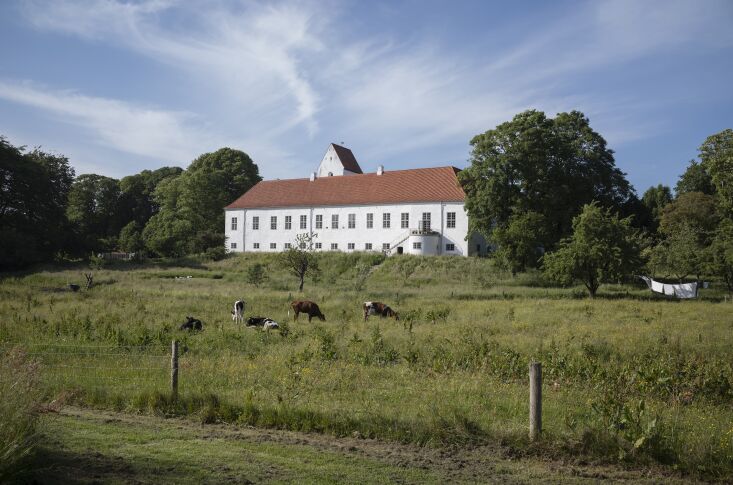
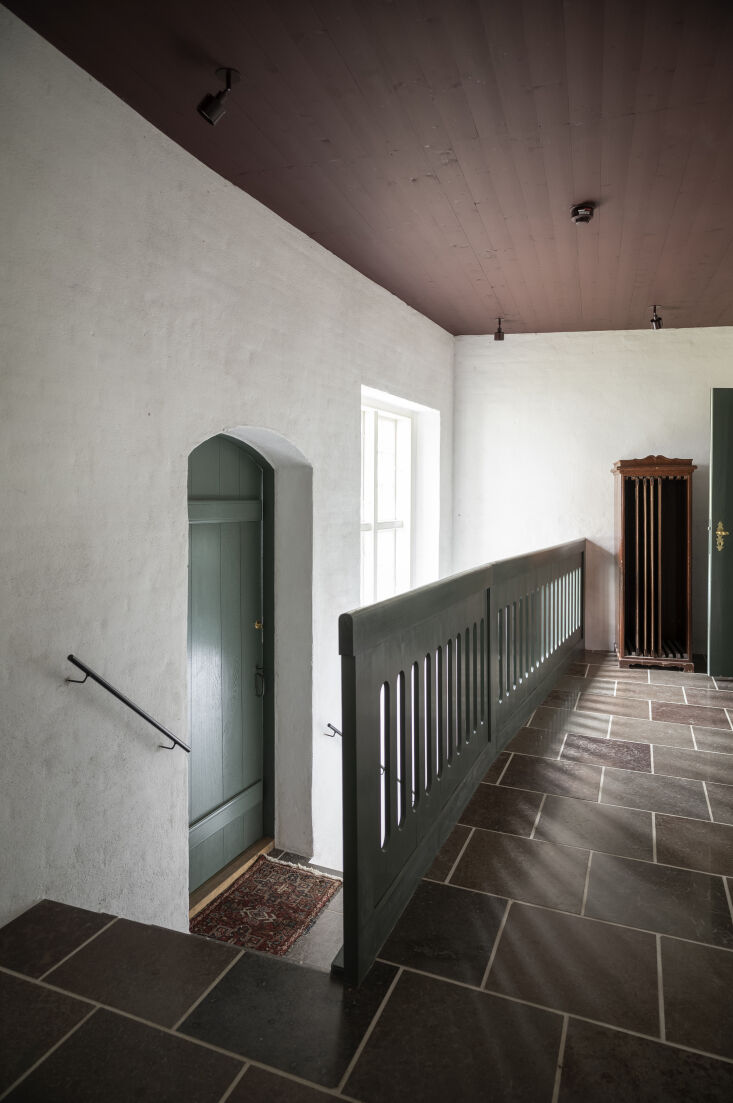
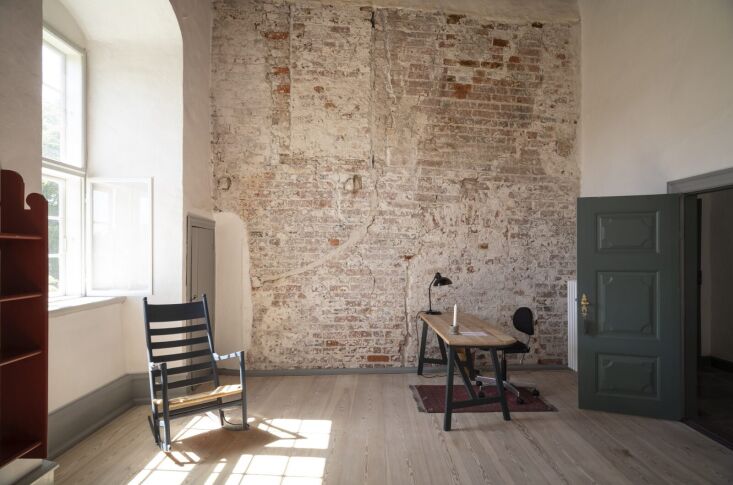
We first encountered the restoration work at Ørslev Monastery via finishes firm Linolie & Pigment. Based round 1200 as a Benedictine nunnery, reformed right into a Baroque manor within the 18th century, and almost misplaced to decay by the early twentieth, the construction that stands at the moment is the results of centuries of adaptation—and a devotion to stewardship. That stewardship started with Countess Olga Sponneck, who saved the monastery from collapse in 1934, restoring the constructing and, by the early Nineteen Sixties, shifting its goal into a piece refuge. Immediately, below the path of Janne Fruergaard Keyes, a medieval archaeologist devoted to preservation and residing use, the latest restoration continues that custom.
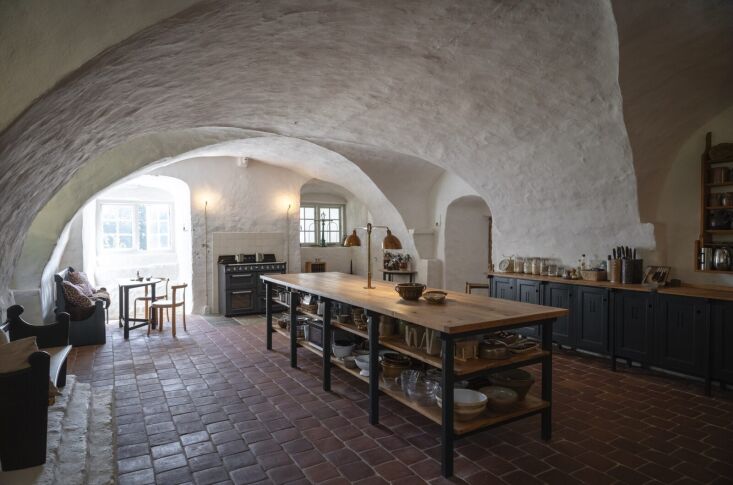
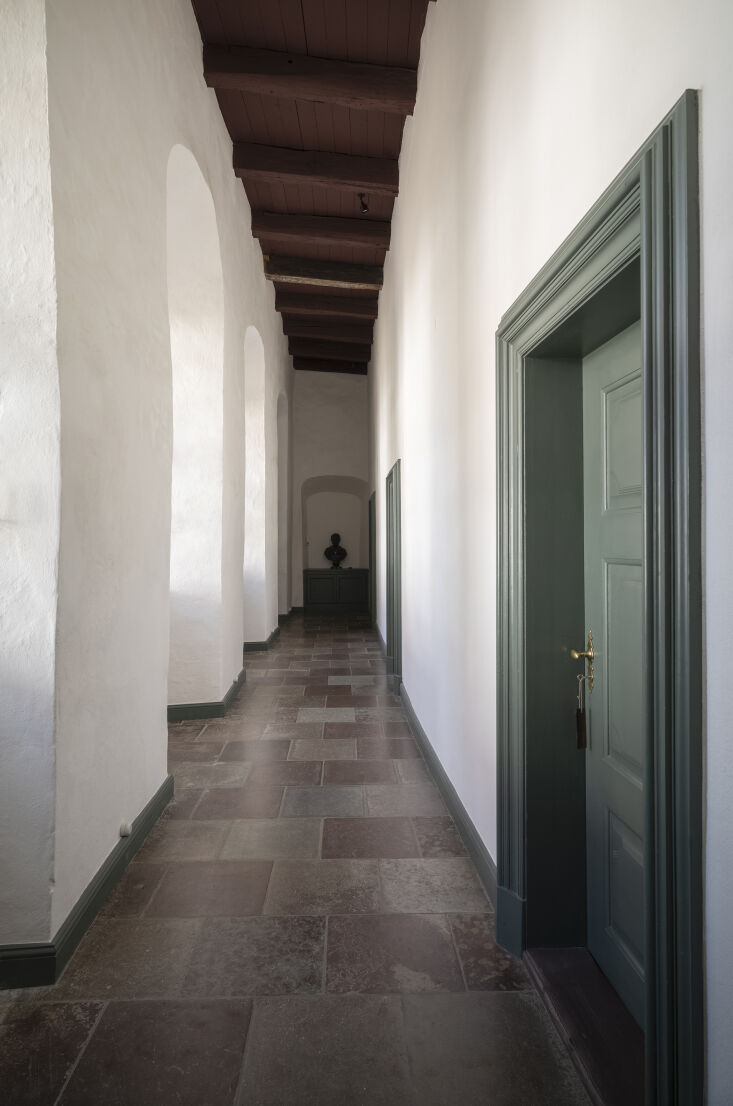
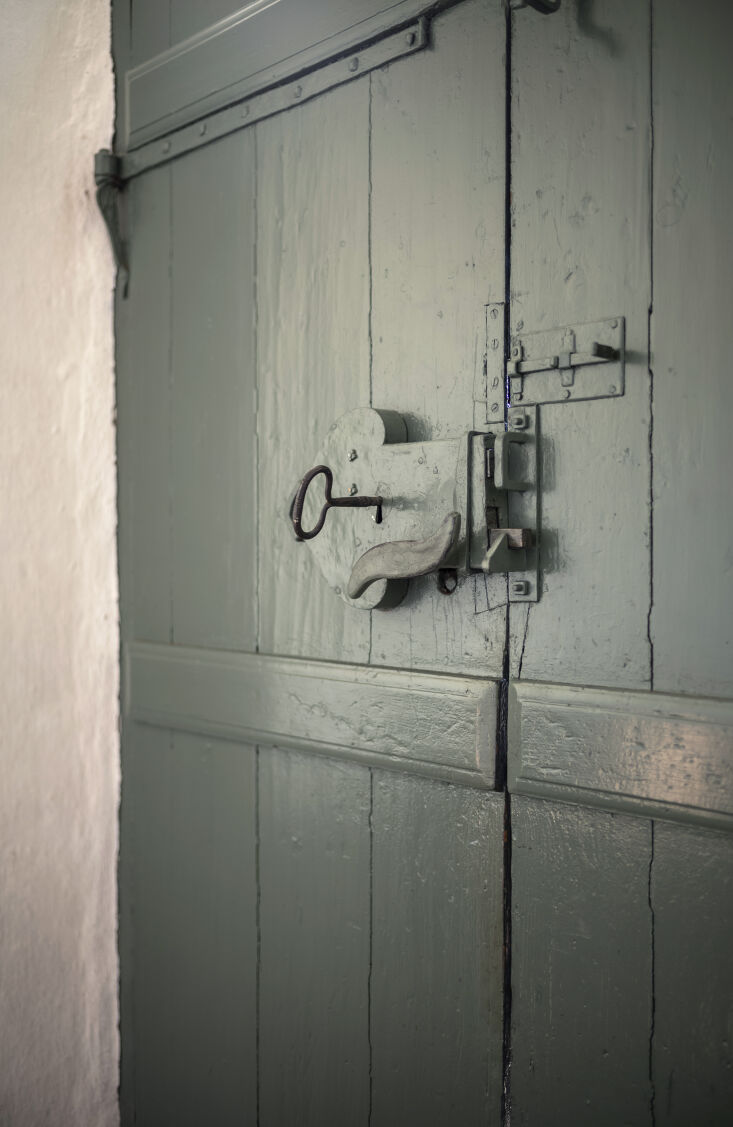
Quite than imposing a recent floor, the work focuses on continuity: repairing what exists, revealing what has been obscured, and deciding on finishes for integrity. Linseed oil paints and historic pigments have been chosen for his or her compatibility—supplies that breathe with centuries-old masonry, timber, and plaster, and that reinforce the monastery’s unique character.
At current, Ørslev Monastery features as a working home, inhabited by writers, artists, students, and musicians who come for lengthy stretches of targeted consideration. That use feels pure to the structure: shared areas with monastic precedent and small rooms that encourage focus. Bringing a historic constructing like this into the long run requires a exact recipe: two components respect for craftsmanship and one half innovation. Right here, we stroll via the halls and grounds of Ørslev Monastery for a better look.
Images by Helene Høyer Mikkelsen for Linolie & Pigment.