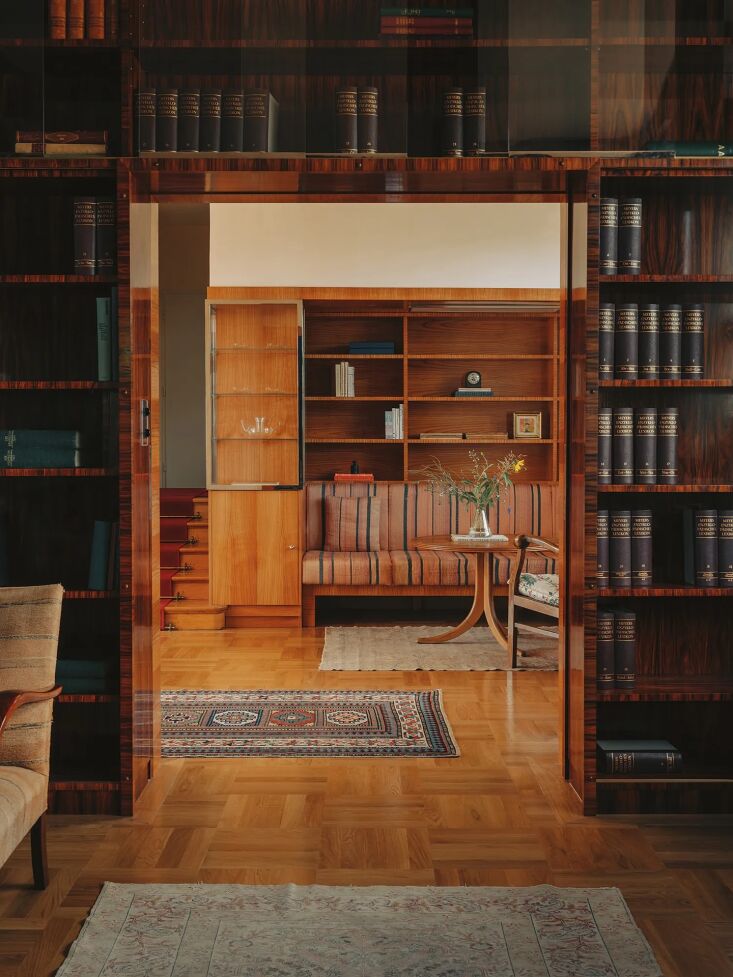
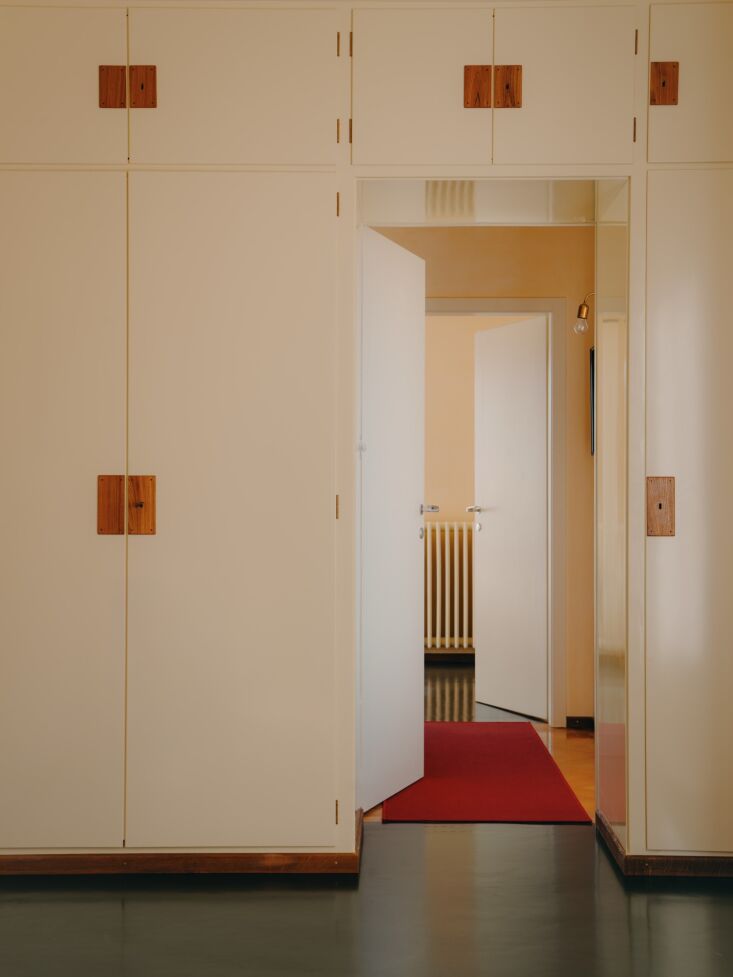
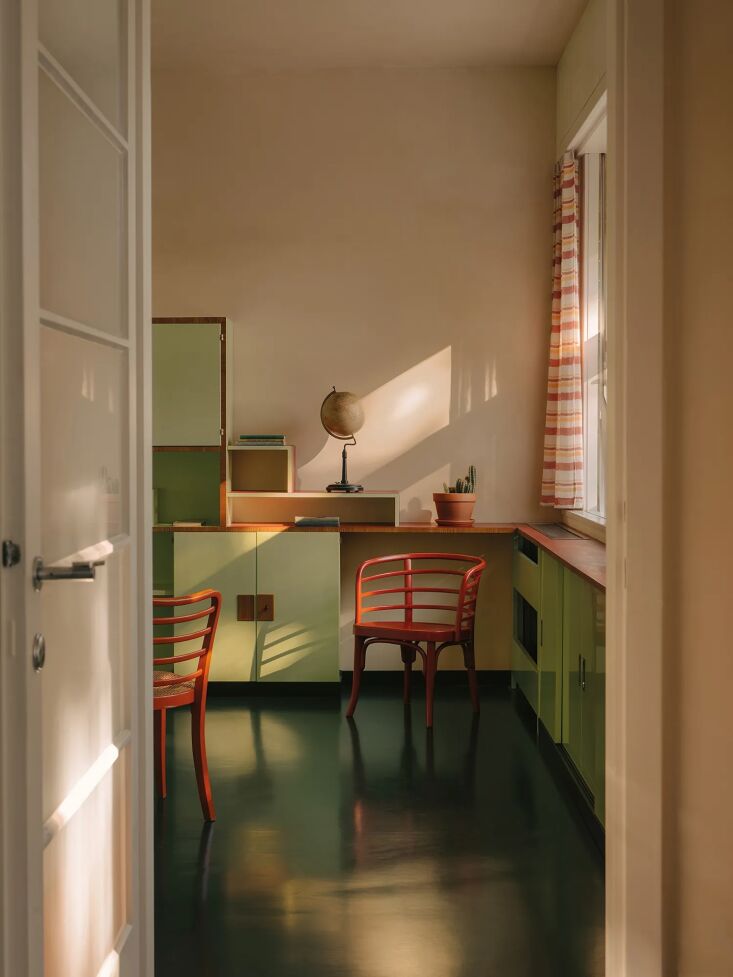
There’s a high quality to a well-restored historic work of structure that’s unmatched—the wedding of early twentieth century supplies the place edges are refined with an up to date construction and surfaces refinished with actual consideration. Villa Rezek, constructed between 1933 and 1934 in Vienna for doctor couple Anna and Philipp Rezek by the largely unknown Jewish Viennese architect Hans Glas, is one such instance. Set on Windmühlhöhe in Währing, Vienna’s 18th district, close to works by Adolf Loos and Josef Frank, the home exemplifies Viennese Modernism within the interwar interval: a strengthened concrete construction with beneficiant openings, clear traces, and expansive terraces. It’s a constructing that’s each staunchly trendy and unmistakably humane—an structure of optimism amid a turbulent period.
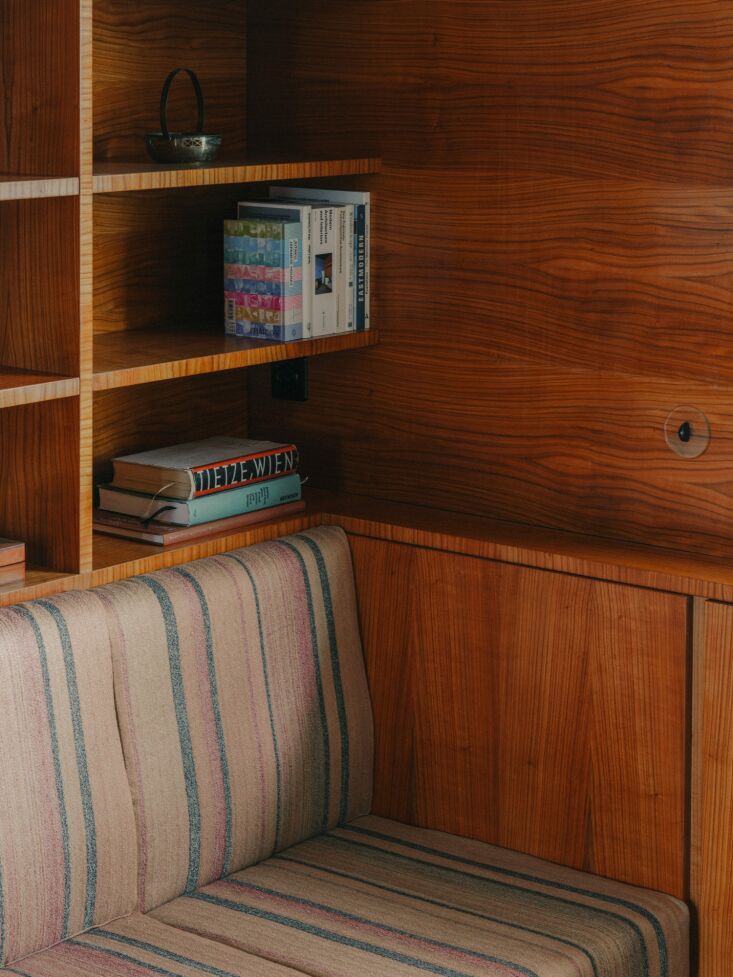
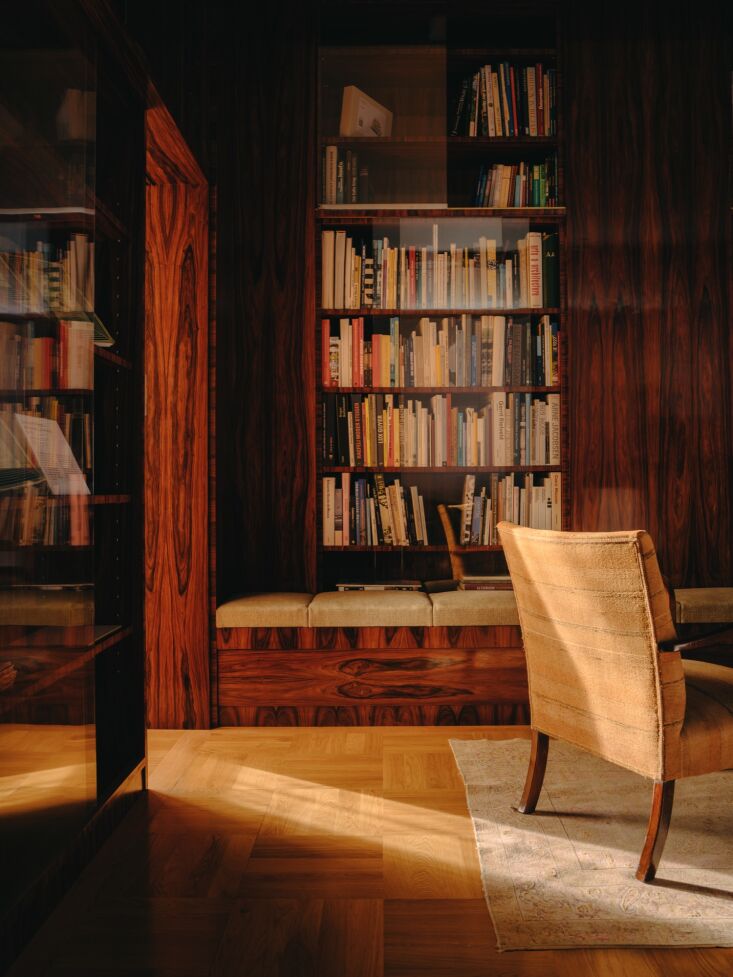
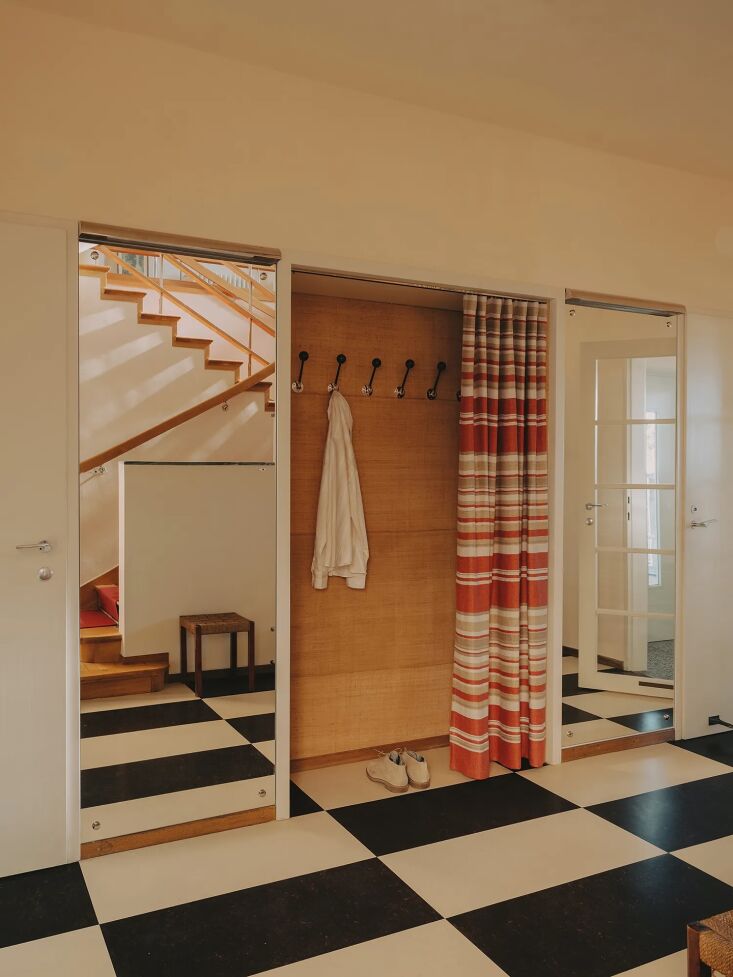
Its latest restoration, undertaken between 2020 and 2024 by Maximilian Eisenköck Architektur, approaches the home as a layered doc. The agency’s research-driven method combines archival research, materials evaluation, and the exact consideration to constructing historical past, chemical composition, and traces of unique use. This allowed the villa to be returned to its Thirties situation with out erasing its previous. That previous is substantial: the pressured flight of the Jewish Rezek household in 1938; postwar occupation by American army generals; partial destruction; and the eventual safety by the Federal Monuments Workplace in 2010. Newly reopened as a brief museum in spring of 2025, Villa Rezek provides a uncommon, intimate encounter with modernist home life—rooms restored with unique furnishings, images, and plans, the place even absences really feel current. Additionally it is a quiet corrective: a reintroduction of Hans Glas, lengthy ignored in Austria, into the architectural lineage he helped form.
Pictures by Julius Hirtzberger for Maximilian Eisenköck Architektur.